As an Amazon Associate I earn from qualifying purchases.
An itchy scalp is hard to ignore. It distracts you at work, wakes you up at night, and scratching only makes it worse. The right anti-itch hair oil can calm that itch, but only if it suits the reason your scalp is itching in the first place. A dry, tight scalp needs something different from a flaky, dandruff-prone one. This guide explains the most common causes of scalp itch, matches each one to the type of oil that helps, and shows you exactly how to apply it so you get relief without greasy roots.
Quick Picks: Match the Oil to Your Itch
| Your scalp | Best type of oil | Link |
|---|---|---|
| Flaky, dandruff-prone | Tea tree scalp oil | View on Amazon |
| Dry and tight | Jojoba oil | View on Amazon |
| Sensitive, easily irritated | Fragrance-free scalp oil | View on Amazon |
| Itchy with oily roots | Lightweight squalane oil | View on Amazon |
Why Your Scalp Itches (and What Helps)
- Dryness: Hot showers, harsh shampoos, and dry air leave the scalp tight and itchy. A light, skin-friendly oil restores comfort.
- Flakes and dandruff: Often linked to an overgrowth of yeast on the scalp. Oils with antifungal properties, like tea tree, are the usual choice.
- Product buildup: Dry shampoo and styling products clog the scalp. A pre-wash oil treatment loosens buildup before you shampoo.
- Sensitivity: Fragrance and strong essential oils can irritate. Simple, fragrance-free oils are safest.
1. Tea Tree Scalp Oil: Best for Flakes and Dandruff

Botanic Hearth Tea Tree Hair Oil
Tea tree oil is the most popular pick for a flaky, itchy scalp because of its natural antifungal and soothing properties. Look for a ready-made scalp oil where tea tree is already diluted in a carrier oil, which is gentler than using pure tea tree straight from the bottle.
How to use: Apply a few drops directly to the itchy areas 30 minutes before washing, massage in, then shampoo as usual.
2. Rosemary and Peppermint Oil: Best for Instant Cooling Relief
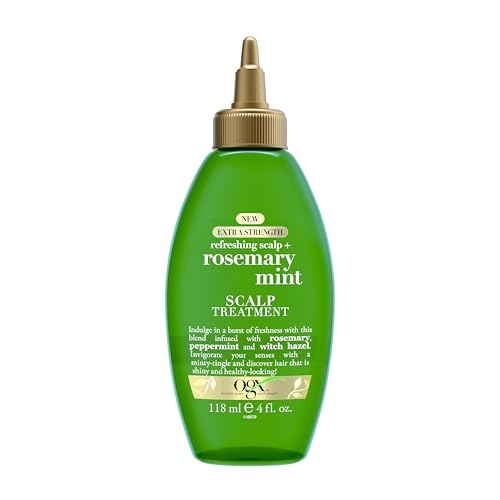
OGX Extra Strength Rosemary Mint Scalp Treatment
Peppermint gives a cooling tingle that takes the edge off an itch almost immediately, and rosemary is a favorite in scalp-care routines. This blend works well when the itch is mild and you want something that feels refreshing.
How to use: Use 2–3 times a week. Skip it if your scalp is broken or very sensitive, since the tingle can sting.
3. Jojoba Oil: Best for a Dry, Tight Scalp

Jojoba is very similar to the natural oil your scalp produces, so it absorbs well and rarely feels heavy. It’s a gentle everyday option for dryness, and a good carrier oil if you want to add a drop of tea tree yourself.
How to use: Warm a few drops between your fingertips and press into dry patches on dry or damp hair.
4. Squalane Oil: Best for Itchy Scalps With Oily Roots

100% Pure Plant-Derived Squalane Oil
If your scalp itches but your roots get greasy fast, most oils feel like too much. Squalane is weightless, absorbs almost instantly, and won’t leave hair flat.
How to use: Two or three drops are enough for the whole scalp. Apply at night and wash in the morning if needed.
5. Fragrance-Free Scalp Oil: Best for Sensitive Skin

Africare 100% Mineral Oil (Fragrance-Free)
Sometimes the itch comes from the products themselves. A fragrance-free oil with a short ingredient list is the safest option if your scalp reacts easily or you aren’t sure what’s triggering the itch.
How to use: Patch-test behind your ear for 24 hours first, then use as needed.
6. Argan Oil: Best for Itchy Scalp and Dry Ends

Argan oil does double duty, soothing a dry scalp while softening rough, frizzy ends. It’s a good pick if you want one bottle for both your scalp and your lengths.
How to use: Massage a little into the scalp, then smooth what’s left on your hands through the ends.
7. Pre-Wash Scalp Oil Treatment: Best for Product Buildup
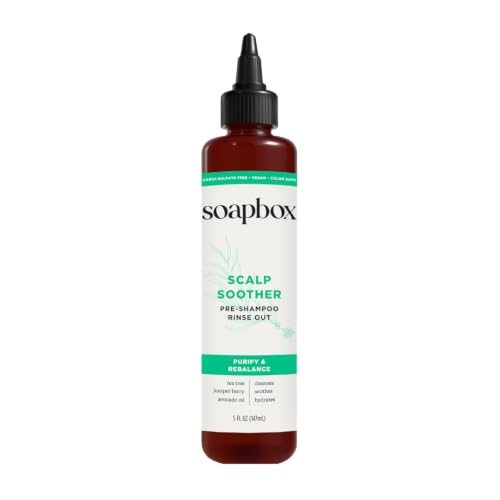
Soapbox Scalp Soother Pre-Shampoo Treatment
Heavy use of dry shampoo or styling products leaves a film that makes the scalp itch. A pre-wash oil treatment loosens that buildup so your shampoo can rinse it away completely.
How to use: Apply section by section, leave on for 20–30 minutes, then wash twice.
8. Overnight Scalp Serum Oil: Best for Itch That Keeps You Up

Pacifica Scalp Love Rosemary Mint Serum
If the itch is worst at night, an overnight scalp serum gives it hours to work while you sleep. Look for a light formula with a dropper so it goes on the scalp, not all over your hair.
How to use: Apply before bed and cover your pillow with an old pillowcase or towel.
How to Apply Anti-Itch Hair Oil the Right Way
- Part your hair into sections so the oil reaches the scalp, not just your hair. An applicator bottle with a nozzle makes this much easier, like this Root Comb Applicator Bottle.
- Apply a few drops along each part. Less is more. You can always add a drop.
- Massage for 2–3 minutes with your fingertips or a soft silicone scalp massager to spread the oil and ease the itch without scratching. The HEETA Scalp Massager works well here.
- Leave it on for at least 30 minutes, or overnight for very dry scalps.
- Wash with a gentle shampoo to remove excess oil. CeraVe Gentle Hydrating Shampoo is a mild, sulfate-free option.
Mistakes That Make an Itchy Scalp Worse
- Using pure essential oils undiluted. Tea tree and peppermint can irritate when used neat. Choose a pre-diluted scalp oil or mix with a carrier oil.
- Using too much oil. Heavy layers trap sweat and buildup, which can increase itching.
- Reaching for olive or coconut oil for dandruff. Some heavy oils may feed the yeast linked to dandruff. Lighter oils like jojoba or squalane are a safer bet.
- Scratching with your nails. It damages the scalp and starts a cycle of more itching. Massage with fingertips instead.
When to See a Doctor
Oils help with everyday dryness and mild flaking, but see a dermatologist if the itch lasts more than a few weeks, you notice thick scales, redness, sores, bleeding, or hair loss, or nothing seems to help. Conditions like psoriasis, seborrheic dermatitis, and allergic reactions need proper treatment.
Anti-Itch Hair Oil FAQ
Can I leave anti-itch hair oil in overnight?
Yes, most light oils are fine overnight. Wash it out in the morning if your scalp gets oily or you’re prone to breakouts along the hairline.
How often should I use scalp oil for itching?
Two to three times a week is a good starting point. Use it more on very dry days, and less if your roots start looking greasy.
Does hair oil help dandruff?
Oils with antifungal properties, like tea tree, can help with mild flakes. For stubborn dandruff, pair the oil with a dandruff shampoo, and see a dermatologist if it doesn’t improve.
Your Anti-Itch Scalp Checklist
- Tea tree scalp oil, for flakes View on Amazon
- Rosemary and peppermint oil, for cooling relief View on Amazon
- Jojoba oil, for dry scalp View on Amazon
- Squalane oil, for oily roots View on Amazon
- Fragrance-free scalp oil, for sensitive skin View on Amazon
- Argan oil, for scalp and ends View on Amazon
- Pre-wash scalp treatment, for buildup View on Amazon
- Overnight scalp serum, for nighttime itch View on Amazon
Not sure where to start? Pick the oil that matches your main symptom from the Quick Picks table, use it twice a week for a few weeks, and adjust from there.